All-time Favorite Pinoy Sweets
Indulging in the Sweet World of Filipino Sweets and Delicacies
Filipino cuisine is celebrated for its rich and diverse array of flavors, and when it comes to satisfying one’s sweet tooth, Filipino sweets offer an irresistible journey into sugary delights. Among these delectable treats are Filipino rice cakes, Filipino glutinous rice cakes, and an array of mouthwatering creations that are both traditional and innovative.
Filipino Sweets: A Symphony of Flavors
Filipino sweets, or “kakanin” in the local vernacular, are a symphony of flavors that capture the essence of Filipino culture and tradition. At the heart of these sweet offerings are Filipino rice cakes, made from glutinous rice or “malagkit,” which is a staple ingredient. Among the most beloved Filipino rice cakes is “bibingka,” a rice cake infused with coconut milk and baked to perfection. Its slightly crispy edges and soft, chewy center create a delightful contrast in texture, making it a cherished Filipino sweet for special occasions and everyday cravings alike.
Exploring the World of Filipino Glutinous Rice Cakes
Filipino glutinous rice cakes, known as “kakanin,” come in an array of colors and flavors, each with its unique charm. “Kutsinta” is a popular example, recognized by its vibrant orange hue and delightful chewiness. It’s often topped with grated coconut and enjoyed as a snack or dessert. “Sapin-sapin” is another beloved glutinous rice cake, a multicolored layer cake that combines flavors such as coconut, ube (purple yam), and jackfruit. This delightful Filipino sweet showcases not only the creativity in flavor combinations but also the artistry in its presentation.
Filipino Custards: Creamy and Irresistible
Leche flan, often referred to as the “Filipino caramel custard,” is a testament to the Filipinos’ love for creamy and indulgent sweets. This luscious dessert combines the richness of egg yolks and condensed milk, creating a velvety smooth texture that melts in your mouth. The caramelized sugar syrup adds a delightful contrast in sweetness, making each spoonful a heavenly experience. Leche flan is a staple in Filipino celebrations, and it’s cherished for its nostalgic taste and comforting appeal.
In Conclusion: A Sweet Tradition of Filipino Sweets and Delights
Filipino sweets, particularly Filipino rice cakes, Filipino glutinous rice cakes, and creamy Filipino custards like leche flan, are an integral part of Filipino culinary heritage. These delectable treats offer a taste of tradition and a window into the warm and hospitable Filipino culture. Whether you’re savoring the chewy goodness of bibingka, the colorful layers of sapin-sapin, or the creamy perfection of leche flan, each bite tells a story of Filipino sweetness and culinary artistry that continues to captivate taste buds around the world.

Sapin-Sapin
amazonFind Filipino cooking ingredients on AmazonShop on Amazon → Sapin-sapin is a traditional Filipino dessert that is often served at parties, weddings, and other special events. This colorful and sweet delicacy is made with glutinous rice flour, coconut milk,...
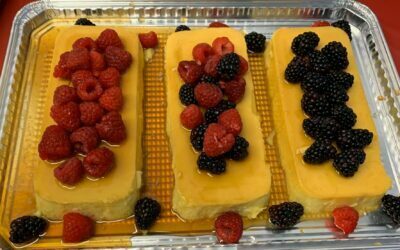
Leche Flan
amazonFind Filipino cooking ingredients on AmazonShop on Amazon →A renowned delicacy in the Philippines, Leche Flan represents the quintessence of Filipino desserts. This delightful dish is crafted from a concoction of egg yolks, evaporated and condensed milk,...
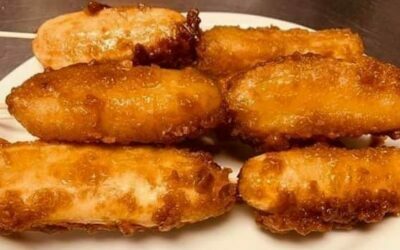
Banana Cue
amazonFind Filipino cooking ingredients on AmazonShop on Amazon →Banana cue is a popular street food snack in the Philippines made by deep-frying ripe, Saba bananas coated in caramelized brown sugar. Many Filipinos and foreign visitors to the country adore this...
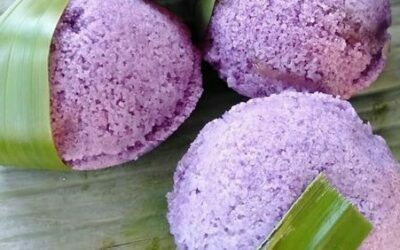
Puto na May Bukayo
amazonFind Filipino cooking ingredients on AmazonShop on Amazon → In the Philippines, a wide range of Puto styles vary depending on the region. Some of the popular types include Puto Bumbong, Puto Kutsinta, Puto Lanson, Cheese Puto, and Puto Seco. However, one...
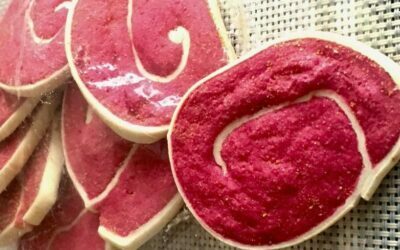
Turutalinga, Katol
amazonFind Filipino cooking ingredients on AmazonShop on Amazon →Turutalinga, which is also called Katol, is a traditional Filipino biscuit recipe from the Bicol region. The name "turutalinga" comes from the biscuit's distinct shape, which resembles a human ear,...
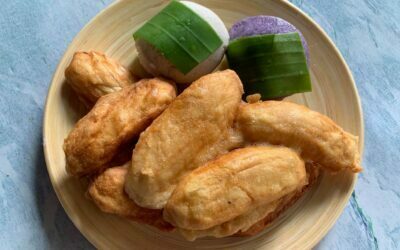
Sinapot, Maruya
amazonFind Filipino cooking ingredients on AmazonShop on Amazon → Sinapot is a variation of the Tagalog snack, Maruya, which consists of sliced bananas coated in all-purpose flour, milk, and eggs. In Bicol, however, Sinapot is made with sliced Saba bananas, which...
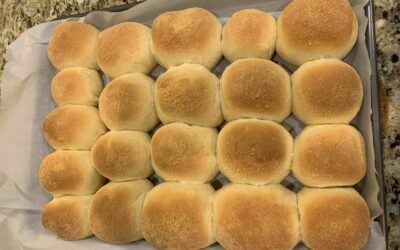
Pandesal
amazonFind Filipino cooking ingredients on AmazonShop on Amazon →Pandesal is a popular type of bread roll in the Philippines. It is a staple in many Filipino households and is commonly eaten for breakfast or as a daily snack. Usually available from bakeries or...
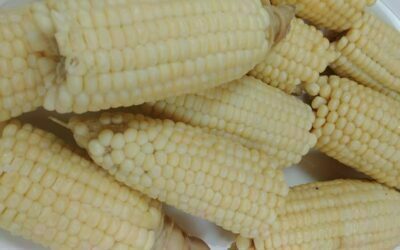
Nilagang Mais
amazonFind Filipino cooking ingredients on AmazonShop on Amazon → The Filipino corn, known as "mais" in Tagalog, is a common staple crop in the Philippines. What makes it unique as far as its texture and flavor as compared to other corns worlwide, is that...
Kalingking
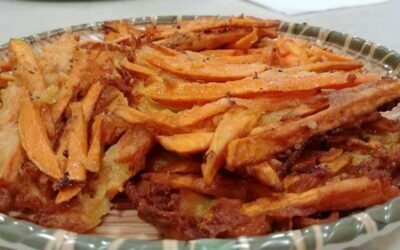
amazonFind Filipino cooking ingredients on AmazonShop on Amazon → Kalingking may not be well-known worldwide, or ven nationwide in the Philippines, but perhaps I could be the first to claim that this snack recipe is a Bicolano original. In fact, it is! The word...
Balisongsong
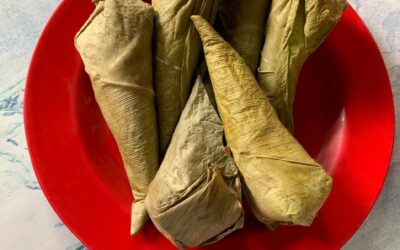
amazonFind Filipino cooking ingredients on AmazonShop on Amazon → As Bicolanos, we take pride in our contributions to the Philippine society in many ways, especially regarding food. For decades, Bicolanos have created many kinds of recipes that are now widely...
Suman sa Ibus
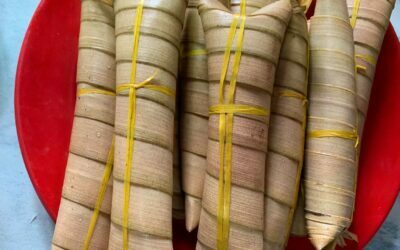
amazonFind Filipino cooking ingredients on AmazonShop on Amazon → Suman sa Ibus is a traditional Filipino rice cake made from glutinous rice that is often wrapped in young palm leaves called "ibus" or "buri." This dessert is popular in the Philippines and is...
Biko, Linungkay
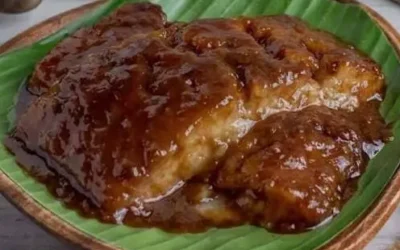
amazonFind Filipino cooking ingredients on AmazonShop on Amazon → Biko is a traditional Filipino dessert made from glutinous rice, coconut milk, and brown sugar. Also called "Linungkay" in Bicol, it is a type of rice cake known as "kakanin" in the Philippines. It...