
Philippine Beauty
Located in the Southeastern part of the Asian country, the Philippines is known for its rich culture, linguistic diversity, beautiful beaches, vibrant festivals, delicious foods and friendly people. The country is made up of over 7,000 islands, with 170-190 languages spoken, and a population of over 100 million people, making it the 12th most populous countries in the world.
Its capital is Manila and although the people’s official languages are Filipino and English, the country has around 8-13 major dialects spoken including Bicolano, Tagalog, Cebuano, Waray, Hiligaynon and Ilocano. The Philippine economy is primarily based on Agriculture, remittance from Filipinos working abroad and the outsourcing of business processes. We are rich in natural resources including unique fruits and vegetables.
Here’s sharing with you the pride of our country… things others have not yet been introduced to, which we hope would lure your curiousity to explore our website. We love to welcome you with the hope to perk your interest in exploring what we will share, for the purpose of entertainment!
Fruits Grown in the Philippines
No Results Found
The page you requested could not be found. Try refining your search, or use the navigation above to locate the post.
Worldly-known Filipino Delicacies
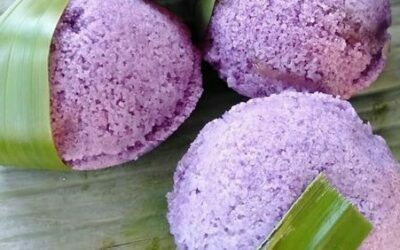
Puto na May Bukayo
amazonFind Filipino cooking ingredients on AmazonShop on Amazon → In the Philippines, a wide range of Puto styles vary depending on the region. Some of the popular types include Puto Bumbong, Puto Kutsinta, Puto Lanson, Cheese Puto, and Puto...
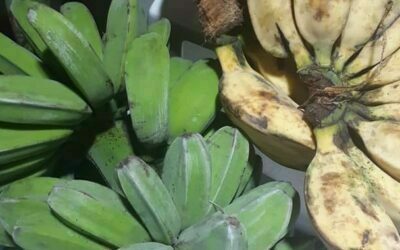
Saba Bananas
amazonFind Filipino cooking ingredients on AmazonShop on Amazon →Saba bananas are commonly used in Filipino cuisine and can be eaten fresh or cooked. When eaten fresh, they are often served as a snack or dessert and are usually sweeter than...
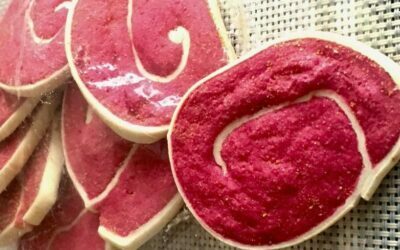
Turutalinga, Katol
amazonFind Filipino cooking ingredients on AmazonShop on Amazon →Turutalinga, which is also called Katol, is a traditional Filipino biscuit recipe from the Bicol region. The name "turutalinga" comes from the biscuit's distinct shape, which...
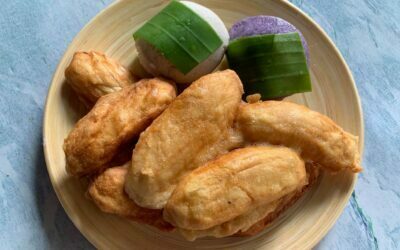
Sinapot, Maruya
amazonFind Filipino cooking ingredients on AmazonShop on Amazon → Sinapot is a variation of the Tagalog snack, Maruya, which consists of sliced bananas coated in all-purpose flour, milk, and eggs. In Bicol, however, Sinapot is made with sliced...
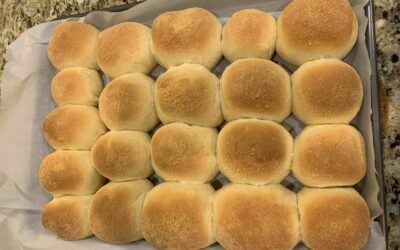
Pandesal
amazonFind Filipino cooking ingredients on AmazonShop on Amazon →Pandesal is a popular type of bread roll in the Philippines. It is a staple in many Filipino households and is commonly eaten for breakfast or as a daily snack. Usually available...
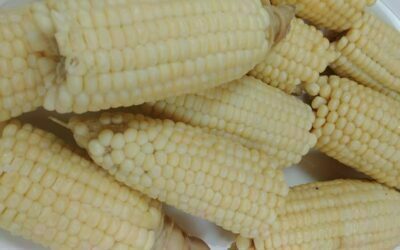
Nilagang Mais
amazonFind Filipino cooking ingredients on AmazonShop on Amazon → The Filipino corn, known as "mais" in Tagalog, is a common staple crop in the Philippines. What makes it unique as far as its texture and flavor as compared to other corns...
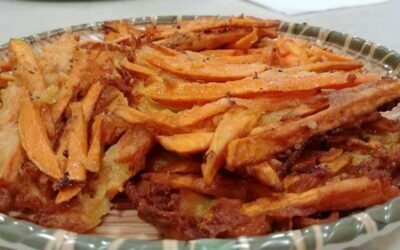
Kalingking
amazonFind Filipino cooking ingredients on AmazonShop on Amazon → Kalingking may not be well-known worldwide, or ven nationwide in the Philippines, but perhaps I could be the first to claim that this snack recipe is a Bicolano original. In...
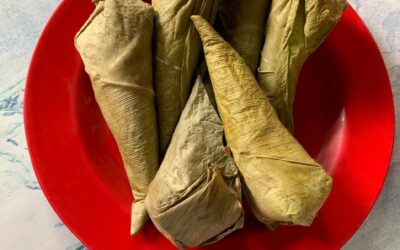
Balisongsong
amazonFind Filipino cooking ingredients on AmazonShop on Amazon → As Bicolanos, we take pride in our contributions to the Philippine society in many ways, especially regarding food. For decades, Bicolanos have created many kinds of recipes...
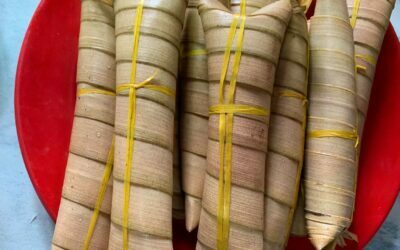
Suman sa Ibus
amazonFind Filipino cooking ingredients on AmazonShop on Amazon → Suman sa Ibus is a traditional Filipino rice cake made from glutinous rice that is often wrapped in young palm leaves called "ibus" or "buri." This dessert is popular in the...
All-time Favorite Sweets
No Results Found
The page you requested could not be found. Try refining your search, or use the navigation above to locate the post.