
Philippine Beauty
Located in the Southeastern part of the Asian country, the Philippines is known for its rich culture, linguistic diversity, beautiful beaches, vibrant festivals, delicious foods and friendly people. The country is made up of over 7,000 islands, with 170-190 languages spoken, and a population of over 100 million people, making it the 12th most populous countries in the world.
Its capital is Manila and although the people’s official languages are Filipino and English, the country has around 8-13 major dialects spoken including Bicolano, Tagalog, Cebuano, Waray, Hiligaynon and Ilocano. The Philippine economy is primarily based on Agriculture, remittance from Filipinos working abroad and the outsourcing of business processes. We are rich in natural resources including unique fruits and vegetables.
Here’s sharing with you the pride of our country… things others have not yet been introduced to, which we hope would lure your curiousity to explore our website. We love to welcome you with the hope to perk your interest in exploring what we will share, for the purpose of entertainment!
Fruits Grown in the Philippines
No Results Found
The page you requested could not be found. Try refining your search, or use the navigation above to locate the post.
Worldly-known Filipino Delicacies
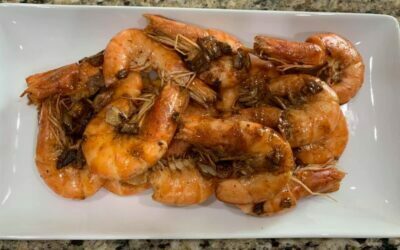
Stir-Fried Shrimps Recipe
amazonFind Filipino cooking ingredients on AmazonShop on Amazon →Stir-fried shrimps is probably one of the quickest form of shrimp recipes you can do, to serve your family without missing the appetizing part of eating lunch or dinner meal....
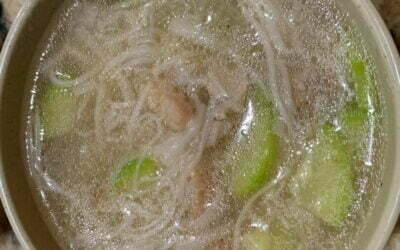
Miswa Noodle Soup with Patola Recipe
amazonFind Filipino cooking ingredients on AmazonShop on Amazon →Miswa or Misua is very thin type of noodle, made from wheat flour. They easily dissolve in water when cooked. They originated in a place called Fujian, in China. Filipinos cook...
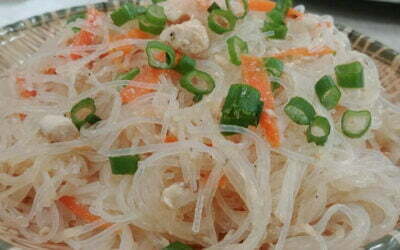
Sotanghon Guisado, Sautéed Vermicelli
amazonFind Filipino cooking ingredients on AmazonShop on Amazon → Also called cellophane noodle or glass noodles Sotanghon is made from variety of starches. In China for instance, where it has originated, Sotanghon is made from mungo(mung)...
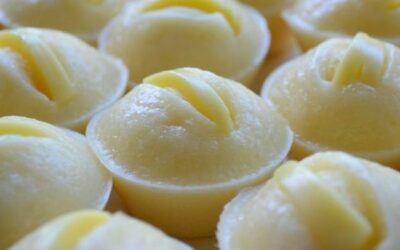
Puto, Steamed Rice Muffin
amazonFind Filipino cooking ingredients on AmazonShop on Amazon → Puto is a steamed rice muffin that is very popular sweet rice flour recipe in the Philippines. It’s made simply by combining rice flour and sweet rice four or "kakanin" mixture...
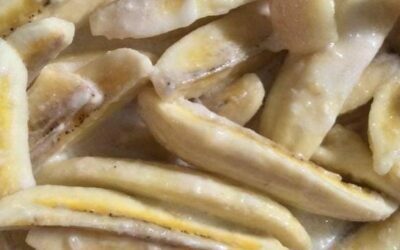
Ginataang Saging na Saba, Pinakru
amazonFind Filipino cooking ingredients on AmazonShop on Amazon → In Tagalog, it’s called Ginataang Saba or Saging. We use ripe Saba bananas to create this dish for snacks, but you can also have it for breakfast. We call it differently as I...
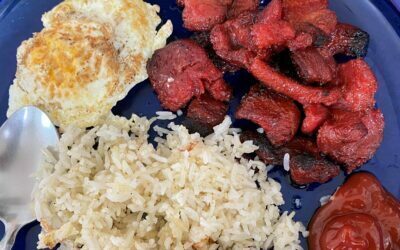
Tocino Breakfast Meal
amazonFind Filipino cooking ingredients on AmazonShop on Amazon → Tocino is originally a Pampangan dish (Pampanga is located in the central part of Luzon, Philippines), but over time, this flavorful marinated meat, has turned into a national...
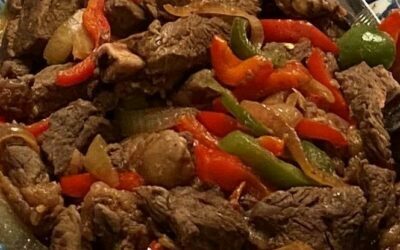
Filipino Beef Steak Recipe, Bistec, Bistik
amazonFind Filipino cooking ingredients on AmazonShop on Amazon → Bistek, or more commonly known in the Philippines as "Bistek Tagalog", is a cherished dish that's deeply rooted in the country's history, having been influenced by its Spanish...
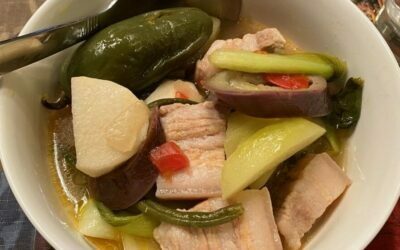
Pork Sinigang, Pork Belly Sour Soup
amazonFind Filipino cooking ingredients on AmazonShop on Amazon → Pork Sinigang, also called Sinigang na Baboy in Tagalog, is a delectable dish that is a staple in Filipino cuisine, typically served for lunch or dinner. It's a hearty and...
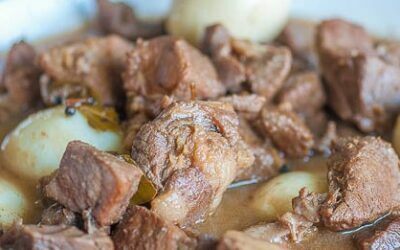
Adobong Baboy, Best Pork Adobo
amazonFind Filipino cooking ingredients on AmazonShop on Amazon →A truly authentic Pinoy recipe, Adobo means to marinade, a term that's derived in Spanish. This dish was introduced by the Filipino natives to the Spaniards during their...
All-time Favorite Sweets
No Results Found
The page you requested could not be found. Try refining your search, or use the navigation above to locate the post.