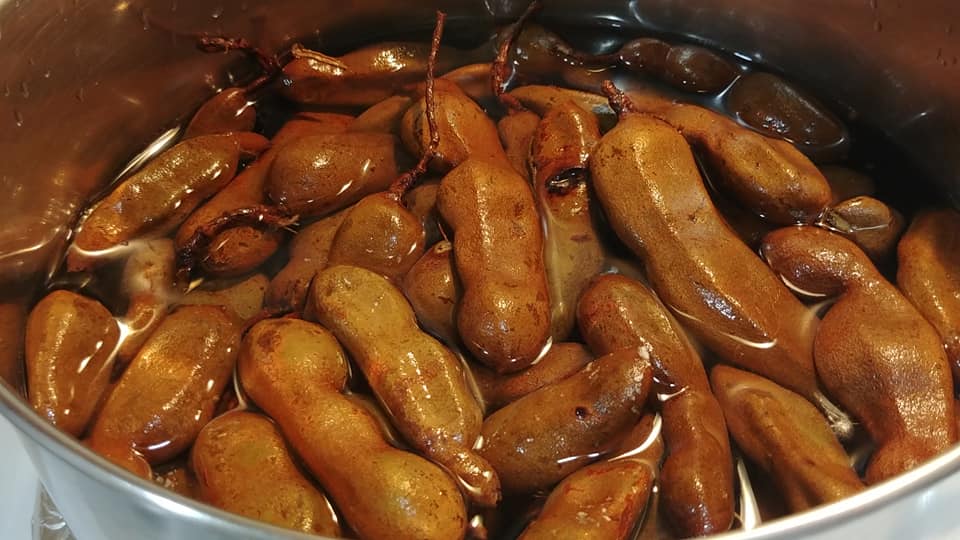

Tamarind, known as Sampaloc or Sampalok in Filipino, is a versatile fruit with a history rooted in Africa. The tree it grows on bears giant, pod-like fruits that can vary in taste from sour to a more balanced sweet and sour profile when fully ripe. The utility of this fruit goes beyond just eating it fresh off the tree; it can also be transformed into candies and jellies, and it plays a significant role in various cuisines globally.
In the Philippine culinary scene, tamarind often substitutes calamansi juice or vinegar in various dishes. Additionally, tamarind leaves, or Sampaloc leaves, contribute their unique flavor to meals like the traditional Filipino soup, Sinigang. Beyond the kitchen, tamarind fruit pulp and leaves are also believed to offer medicinal benefits. Because of its wide-ranging uses, tamarind is cultivated throughout tropical and subtropical regions worldwide. Consuming fresh tamarind fruit is a widespread practice among Filipinos, often enjoyed with a sprinkle of salt and occasionally paired with fresh chili peppers for those who prefer a spicy kick.
Diving deeper into the use of tamarind, or Sampaloc, in Filipino cuisine, this fruit’s versatility truly shines. Its tangy pulp is often used to make a refreshing juice known as “Agua de Tamarindo,” a popular drink during the warm summer. Additionally, the sourness of tamarind lends itself well to sweet and sour dishes, providing a unique tang that complements the sweetness and heat of such recipes.
The value of the tamarind tree extends beyond its fruit, as even its wood and leaves are used in various ways. For example, wood is often employed in carpentry and furniture making due to its durability and insect resistance. Meanwhile, the leaves are used in dishes like Sinigang and are believed to have various medicinal properties, such as reducing fever and treating intestinal infections. As such, the tamarind, or Sampaloc, tree is a testament to the multipurpose nature of many of the flora in the Philippines and other tropical and subtropical regions.