
Philippine Beauty
Located in the Southeastern part of the Asian country, the Philippines is known for its rich culture, linguistic diversity, beautiful beaches, vibrant festivals, delicious foods and friendly people. The country is made up of over 7,000 islands, with 170-190 languages spoken, and a population of over 100 million people, making it the 12th most populous countries in the world.
Its capital is Manila and although the people’s official languages are Filipino and English, the country has around 8-13 major dialects spoken including Bicolano, Tagalog, Cebuano, Waray, Hiligaynon and Ilocano. The Philippine economy is primarily based on Agriculture, remittance from Filipinos working abroad and the outsourcing of business processes. We are rich in natural resources including unique fruits and vegetables.
Here’s sharing with you the pride of our country… things others have not yet been introduced to, which we hope would lure your curiousity to explore our website. We love to welcome you with the hope to perk your interest in exploring what we will share, for the purpose of entertainment!
Fruits Grown in the Philippines
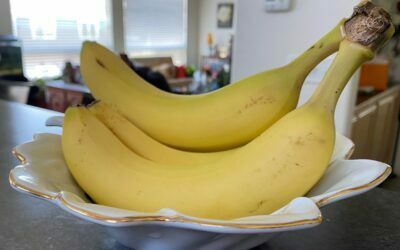
Bungran Bananas, Lakatan, Lacatan
amazonFind Filipino cooking ingredients on AmazonShop on Amazon → Bunguran or Bungran bananas, also known as Lakatan in the Philippines, are among the most popular types of bananas worldwide. Known for their rich nutritional content, these...
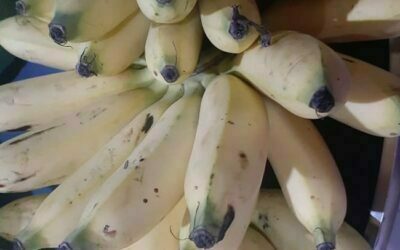
Latundan Bananas, Batag na Latundan
amazonFind Filipino cooking ingredients on AmazonShop on Amazon → Latundan bananas, which are shorter and plumper than their Lakatan or Bungran counterparts, boast a thinner skin and a light yellow hue when ripe. Their flesh is whiter in color...
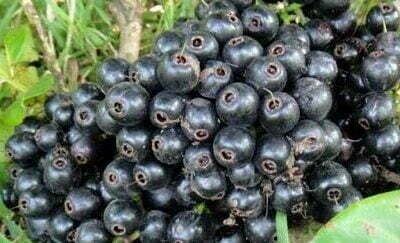
Baligang Fruits
amazonFind Filipino cooking ingredients on AmazonShop on Amazon →Baligang fruits, small round fruits that grow to the size of marbles or larger, are indigenous to the Philippines and mainly cultivated in the central part of the Bicol region....
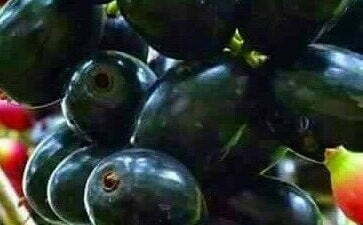
Duhat
amazonFind Filipino cooking ingredients on AmazonShop on Amazon →Often confused with Baligang due to their similar hues, Duhat truly stands apart with its distinct oval shape and unique taste. Unlike Baligang, the Duhat, also known as the Java...
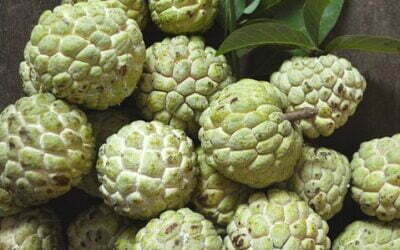
Atis, Sugar Apple, Sweetsop
amazonFind Filipino cooking ingredients on AmazonShop on Amazon → Packed with nutrients, Atis, also known as sugar apple in English, is a remarkable fruit that offers an abundance of health benefits. Boasting high levels of vitamin C,...
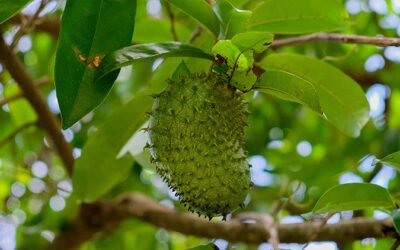
Guyabano Fruits, Soursop
amazonFind Filipino cooking ingredients on AmazonShop on Amazon → Known for its slightly acidic flavor when ripe, Guyabano, or soursop, is a tropical fruit native to the Caribbean and Central America. It has since been widely distributed to...
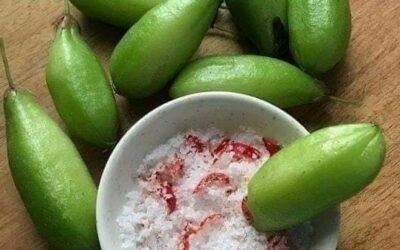
Iba, Kamias(Cucumber Tree)
amazonFind Filipino cooking ingredients on AmazonShop on Amazon → Known by many names across various regions, the fruit is popularly referred to as Kamias in Tagalog, Iba in Bicol, and Balimbi in countries like Malaysia and Indonesia. Despite...
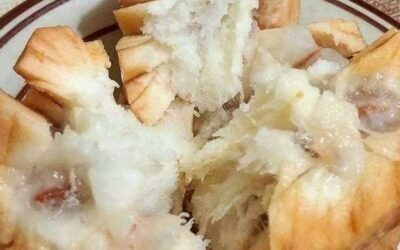
Peeled, Salted Santol Fruits
amazonFind Filipino cooking ingredients on AmazonShop on Amazon →Among the myriad tropical fruits, one that has always intrigued me is the Santol, also known as the Cotton Fruit. This unique moniker is credited to the fruit's dense,...
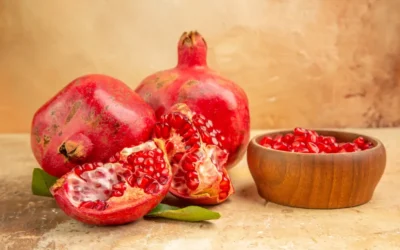
Granada, Pomegranate
amazonFind Filipino cooking ingredients on AmazonShop on Amazon → Pomegranate, a highly popular and antioxidant-rich fruit, is a seasonal fruit-bearing shrub first introduced to the Caribbean and Spanish America by Spain. Its cultivation and...
Worldly-known Filipino Delicacies

Patadyong
amazonFind Filipino cooking ingredients on AmazonShop on Amazon →The patadyong is a traditional Filipino garment originating from the Visayas region, particularly among the Panay and Negros islands. It is a versatile, pre-Hispanic clothing for...
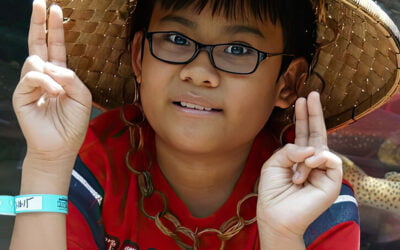
Salakot
amazonFind Filipino cooking ingredients on AmazonShop on Amazon →In this image, you can see a Salakot, a traditional Filipino headgear that has been an essential part of the country's cultural heritage for centuries. This dome-shaped or...
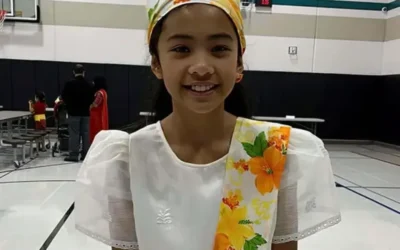
Kimona Dress
amazonFind Filipino cooking ingredients on AmazonShop on Amazon → A traditional blouse worn by women, Kimona is often made from piña or other lightweight materials. It features wide sleeves and intricate embroidery, and it is usually paired...
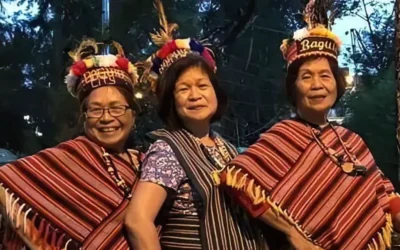
Igorot Women Costume
amazonFind Filipino cooking ingredients on AmazonShop on Amazon → While the Igorot men simply wear colorfully handwoven bahags or g-strings with front covers, Igorot women’s outfits feature similarly colorful, handwoven clothing that measure...

Maria Clara Dress
amazonFind Filipino cooking ingredients on AmazonShop on Amazon → The Maria Clara dress or gown is sometimes referred to a Filipiniana dress. In spanish, it’s called as traje de mestiza, which is openly acknowledged as the aristocratic version...

Barong Tagalog
amazonFind Filipino cooking ingredients on AmazonShop on Amazon → This is the national dress for Filipino men, traditionally worn for formal occasions. It is a lightweight, long-sleeved and embroidered shirt, typically made from materials like...
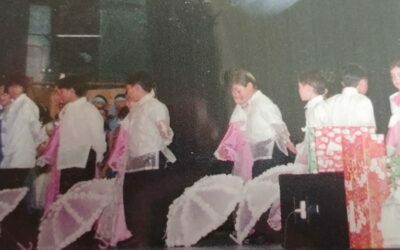
Sayaw Sa Payong
amazonFind Filipino cooking ingredients on AmazonShop on Amazon →"Sayaw sa Payong" or the Umbrella Dance is a traditional Filipino folk dance that showcases dancers performing intricate and synchronized movements with umbrellas. This charming...

La Jota Moncadeña
amazonFind Filipino cooking ingredients on AmazonShop on Amazon →La Jota Moncadeña highlights the fusion of cultures that have shaped the Filipino identity over the years. As a Spanish-influenced Filipino folk dance, it serves as a testament...
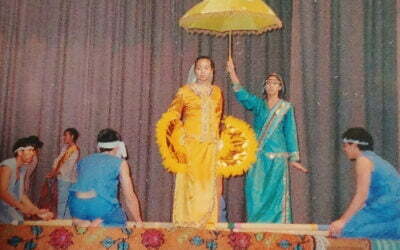
Singkil
amazonFind Filipino cooking ingredients on AmazonShop on Amazon →Singkil, a timeless and widely renowned Filipino Muslim dance, holds a special place among the many traditional Filipino folk dances. Often featured in Filipino dance...
All-time Favorite Sweets
No Results Found
The page you requested could not be found. Try refining your search, or use the navigation above to locate the post.