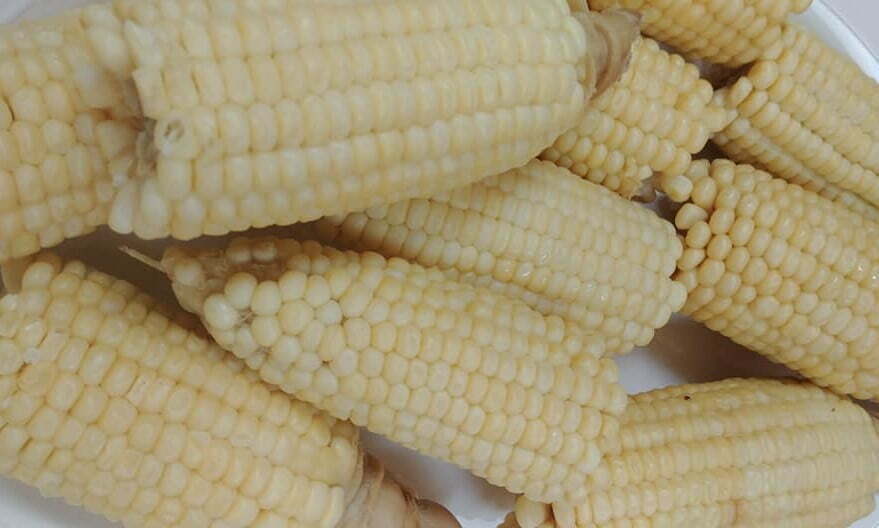
The Filipino corn, known as “mais” in Tagalog, is a common staple crop in the Philippines. What makes it unique as far as its texture and flavor as compared to other corns worlwide, is that Filipino corn, especially native varieties, tends to be stickier and softer in texture compared to the types of corn commonly sold in the US or other countries, such as sweet yellow corn. This is because the kernels of Filipino white corn have a higher moisture content, making them softer and more tender when cooked.
This makes Filipino white corn ideal for use in dishes like maja blanca and binatog, which require a softer, stickier texture. Maja blanca is a popular dessert made with coconut milk and cornstarch, while binatog is boiled corn kernels topped with grated coconut and sugar.
Filipino corn is also used in other popular dishes like mais con yelo, a sweet dessert made with corn kernels, shaved ice, and milk. The unique texture of Filipino white corn makes it a perfect addition to this sweet and refreshing dessert.
In terms of nutritional value, Filipino corn is rich in carbohydrates, fiber, vitamins, and minerals such as vitamin A and iron. The higher moisture content of Filipino white corn also means that it has a lower glycemic index than other corn types, which can help regulate blood sugar levels.
While there may not be a significant physical difference between Filipino corn and other types of corn worldwide, its unique characteristics and the way it is used in Filipino cuisine give it a distinct place in Filipino food culture. Whether in sweet desserts or savory dishes, Filipino corn is a versatile and essential ingredient that adds a unique flavor and texture to many Filipino dishes.
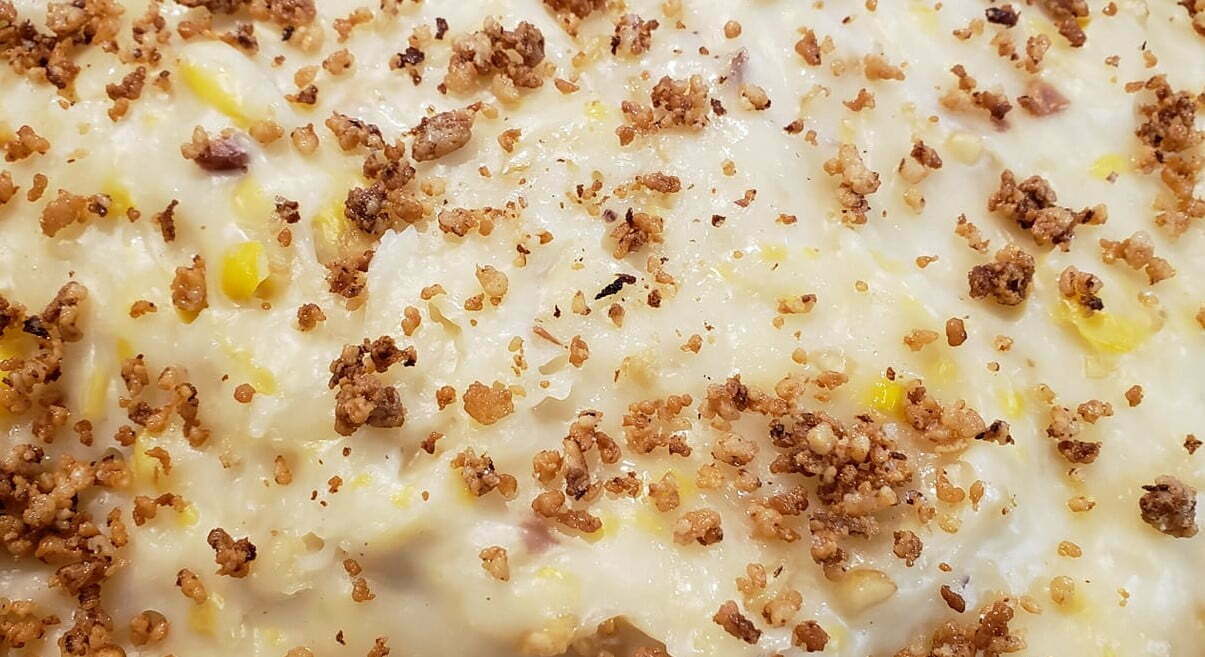
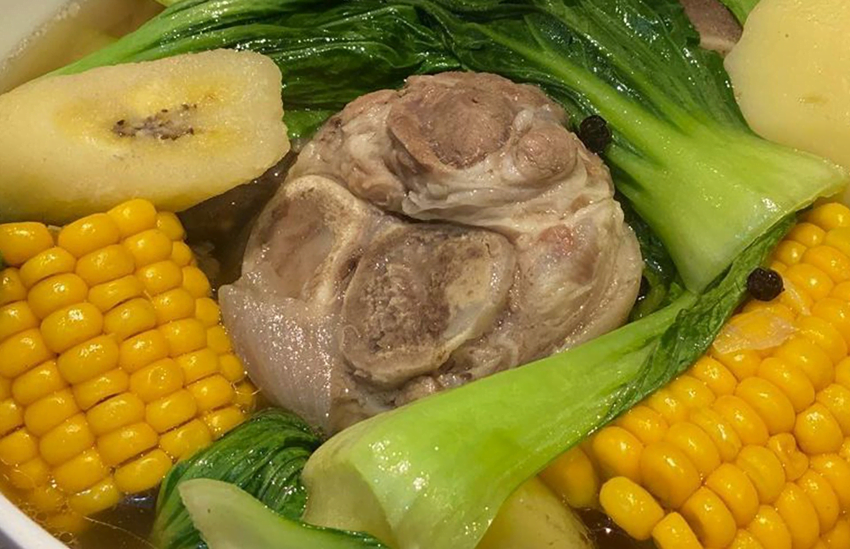
Corn can be used in many ways. It can be eaten boiled, like the sweet Maja Blanca that Cathy made here, or as part of a dinner recipe just like the Bulalo.