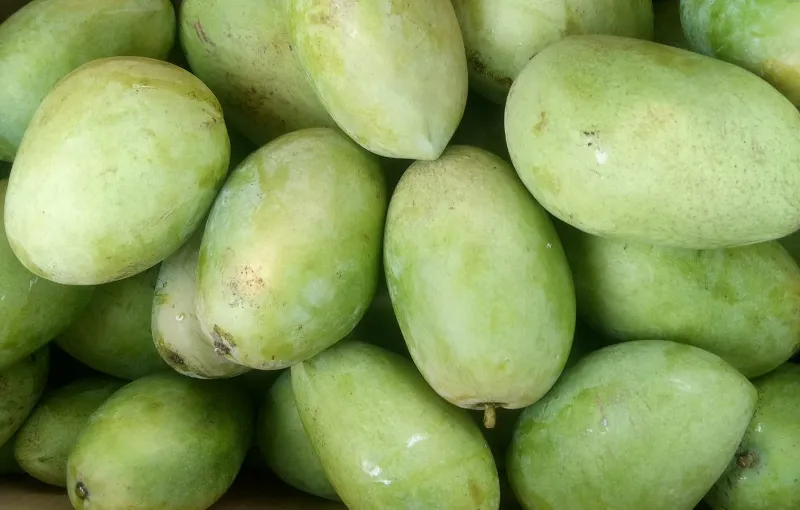
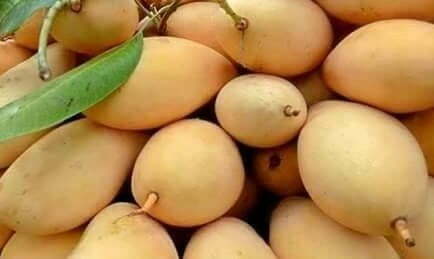
The Philippines is the home to some of the most delectable mangoes in the world, offering an unparalleled taste experience that is truly unforgettable. Mangoes thrive in tropical regions, but the Philippines boasts several exceptional varieties that have been praised by locals and foreigners alike. The top three most popular types include the Carabao, which is larger and rounder in shape; the Pico, which is flatter and more elongated; and the Katchamita, also known as the Indian mango, due to its origin.
Katchamitas, or Indian mangoes, are smaller and rounder in size, and unlike other types, they maintain a consistent sweetness throughout their ripening process. Mango fruits transition from green when young to yellow or even orangey-yellow when ripe, with flavors ranging from sour when unripe to delightfully sweet when fully ripened.
Much like the Baligang fruits, mangoes grow on tall trees in clusters. Filipinos enjoy consuming them in various forms, whether as a sour snack paired with sautéed bagoong (shrimp paste) or as a pickled treat, particularly when young. Mangoes can also be dried, transformed into marmalade, or used as a flavorful addition to salads and snacks. Alternatively, ripe mangoes can be enjoyed as a luscious dessert.
In addition to their exquisite taste, mangoes offer numerous health benefits, as they are rich in vitamins, minerals, and antioxidants. As a versatile and nutritious fruit, mangoes have become an integral part of Filipino cuisine and culture, with their unique flavors continuing to delight taste buds worldwide.
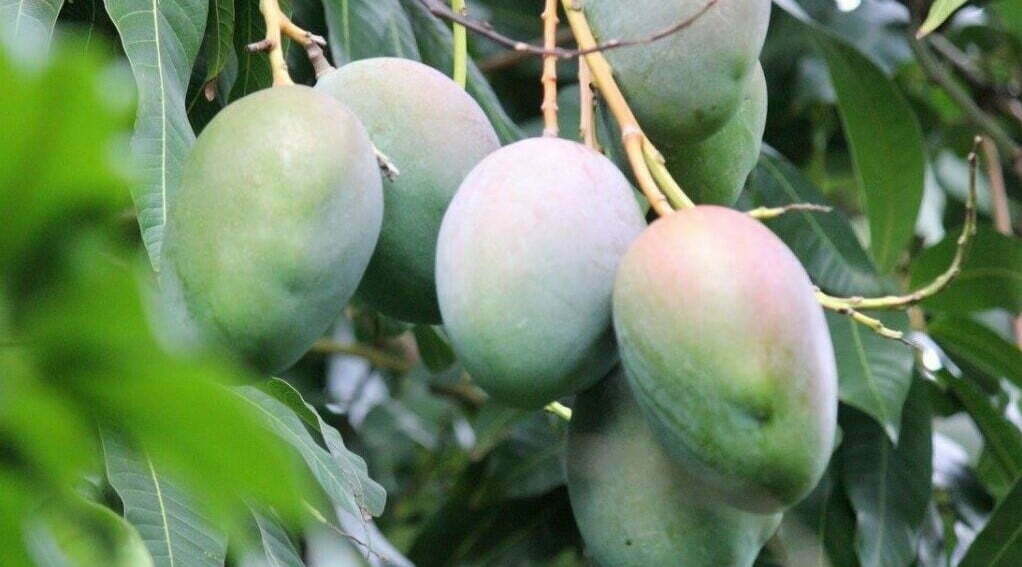
Philippine Indian Mangoes