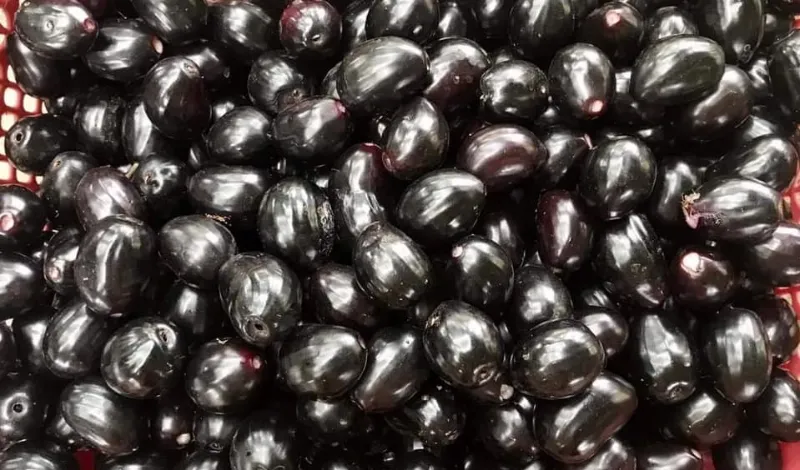
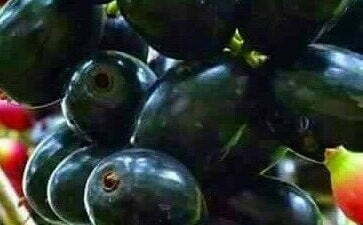
Often confused with Baligang due to their similar hues, Duhat truly stands apart with its distinct oval shape and unique taste. Unlike Baligang, the Duhat, also known as the Java Plum or Black Plum in English, has a slightly sweet taste, typically followed by a mild astringency. This flavor complexity has secured the Duhat’s rightful place in Filipino cuisine and international culinary scenes.
However, Duhat’s appeal doesn’t just stop at human consumption. This fruit is a favorite amongst various animals, ranging from small mammals like bats, jackals, and civets to diverse bird species. For many Filipinos, eating Duhat fresh with a sprinkle of salt is a delightful experience. Yet, over time, the culinary use of this versatile fruit has expanded, inspiring its inclusion in creative preparations such as milkshakes and jams.
This fruit also brings potential health benefits by expanding on the multifaceted utility of Duhat or Java Plum. Some studies indicate that Java Plum might have antidiabetic properties and could help maintain blood sugar levels. This, combined with its high fiber content, makes it a healthy fruit choice.
Moreover, the Duhat and Java Plum trees add significant aesthetic value to landscapes. It is a fast-growing tropical species that flourishes in diverse climates, offering a welcoming habitat for various birds and animals. Therefore, the Duhat or Java Plum not only pleases our taste buds but also significantly contributes to biodiversity, making it a genuinely invaluable element of nature.